Performance
Every number below was measured on a real Watcher, before and after the optimization.
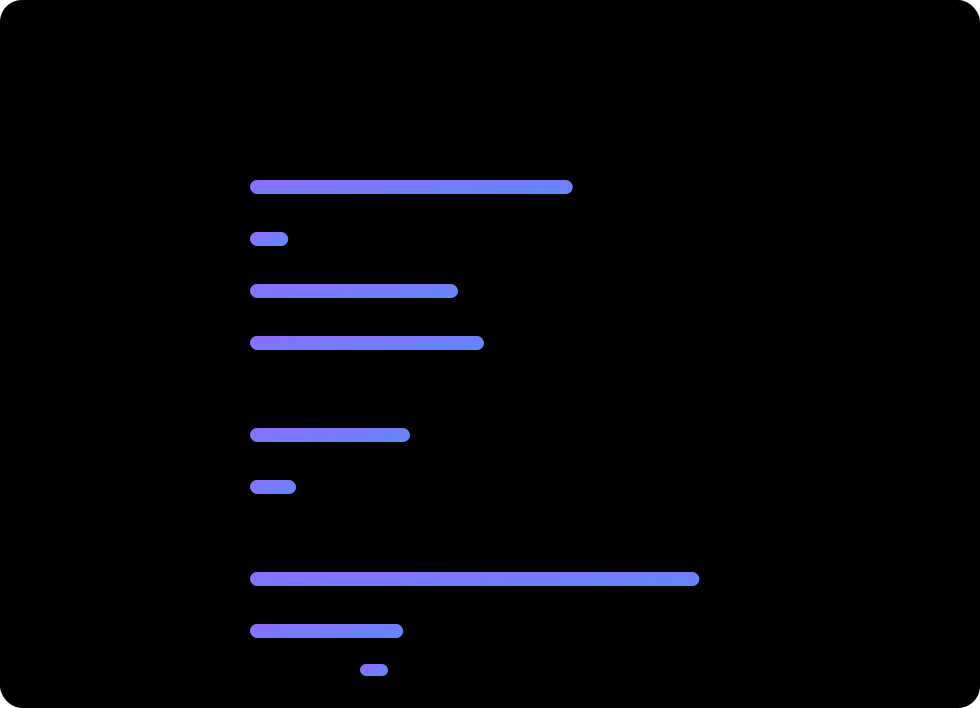
| Metric | Before | After |
|---|---|---|
| Wake word to listening | 2.9 s | 1.4–2.3 s |
| TLS handshake to Gemini | 1.36 s | ~0.1 s (resumed) |
| Zing MP3 search | 2.5 s | 1.0 s |
| Weather answer | 6 s | ~2.7 s |
| CPU while the listening face animates | 19.5% | 6% |
| CPU while music plays | 14.7% | 1.3% |
| Firmware size | 3.83 MB | 3.31 MB (79% of a 4 MB slot) |
| OTA upload | 112 s | ~30 s |
What made the difference
- TLS session tickets.
TicketSslcaches the session per host and offers it on the next connection; every outgoing request (Gemini, weather, Zing, radio) goes through it. - Faster ECC.
MBEDTLS_ECP_FIXED_POINT_OPTIMsaves about 330 ms per full handshake for about 4 KB of RAM. - Plain HTTP where it is safe. Public weather and geocoding data use HTTP, which avoids a handshake; anything with keys or personal data stays on HTTPS.
- Fewer redraws. Opacity changes are quantized to about 11 levels, the listening wave pulses in 3 steps, and the night face is static. LVGL runs at 25 fps.
- Smaller image. Unused audio codecs (FLAC, Vorbis, AMR, ADPCM, ALAC, SBC, LC3, G.711/722) are compiled out.
- OTA. The flash region is erased ahead of the write and the wake word, camera inference and touch polling pause during the upload.
- Session resume. A resume handle is reused only when the prompt and voice are unchanged, so a follow-up question skips the setup work.
Check it yourself
curl -s http://bap-xxxx.local/api/perf | python3 -m json.toolThe response lists CPU per task, minimum free stack per task, free and minimum internal RAM, free PSRAM, uptime and Wi-Fi signal. The System tab shows the same data as Device health.